Skyscanner’s UK travel trends
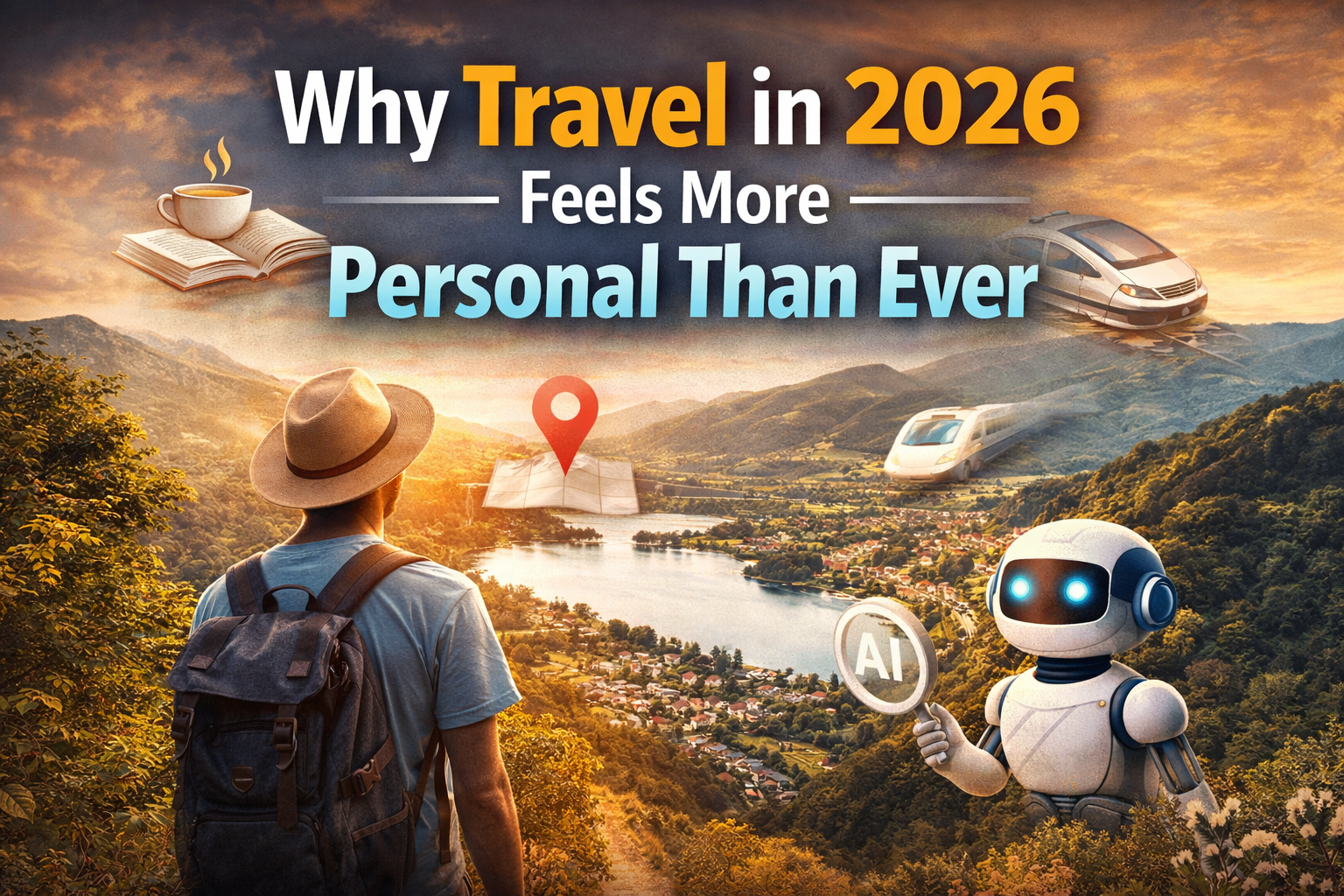
Travel is changing in 2026, and the shift is bigger than simply choosing a new destination. More people are no longer planning holidays just to “get away.” They are choosing trips that reflect their interests, habits, and identities. Travel is becoming more personal, more intentional, and more connected to everyday life. That is one reason this moment feels so important: the modern holiday is not only about escape anymore. It is about meaning.
Skyscanner’s UK travel trends report frames this change clearly, saying travel in 2026 is moving “beyond escape” and becoming “an expression of self.” Its UK traveller snapshot shows that many travellers are now building trips around specific interests rather than generic sightseeing. In that survey, 43% said they would explore local supermarkets or grocery stores abroad, 31% planned family or multigenerational travel, 27% said accommodation itself would be part of the experience, 20% expected to meet new people on the road, and 18% planned a hiking adventure.
That mix tells us something important. People still want rest, beauty, and adventure, but they increasingly want those things to feel personal. A trip is now more likely to be built around a reading retreat, a mountain break, a beautiful stay, a food ritual, a meaningful family journey, or a specific atmosphere that matches who the traveller is.
Why this shift is growing now
Part of the reason is emotional. Modern life is busy, noisy, and digitally crowded. People do not always want the biggest or most obvious holiday anymore. They want something that feels right for them. Skyscanner says travellers are planning with greater purpose and curating trips around their priorities, passions, and idea of value.
Part of the reason is also practical. Cost still matters. People are not necessarily abandoning value-conscious planning, but they are becoming more selective about what makes a trip feel worthwhile. That is why experience-led travel is growing. Travellers want their money to go toward something memorable, distinctive, or emotionally rewarding.
ABTA’s travel trends for 2026 reinforce that picture. Its research says 25–34-year-olds are the “Travel Trendsetters,” September is becoming an increasingly popular month for overseas holidays, rail and interrailing trips are gaining momentum among younger adults, and travellers are also showing interest in both the very long haul and more unusual cruise patterns.
The kinds of travel experiences standing out in 2026
One of the strongest patterns is interest-led travel. Instead of asking, “Where should I go?”, many people are starting with a different question: “What kind of experience do I want?” That small change affects everything. A traveller may choose a city because of bookstores and literary culture. Another may choose a location because it has a striking hotel, a good hiking route, or a famous local food scene. Skyscanner’s 2026 trend labels show exactly that, with themes built around beauty, food, mountain travel, literature, family journeys, solo connection, and destination-led hotels.
Another noticeable pattern is slower, more grounded travel. That does not always mean staying longer in one place, but it often means travelling with more purpose. Instead of rushing through a checklist of landmarks, travellers are paying more attention to atmosphere, local habits, neighbourhood detail, and the small experiences that make a destination memorable.
That is why food-related and place-based rituals are becoming more important. Skyscanner’s data showing strong interest in visiting local supermarkets abroad may sound simple, but it is actually a powerful sign of how travellers are changing. People want to see how a place really lives. They want everyday texture, not only postcard highlights.
Why September, rail travel, and flexible timing matter more now
For UK readers, one especially useful travel angle is timing. ABTA says September is increasingly popular for overseas travel. That makes sense for travellers who want better value, fewer crowds, and a calmer experience after peak summer pressure. It also suits people who are no longer tied to the old idea that holidays must happen only in the height of school-summer travel.
Rail travel is another trend worth watching. ABTA highlights growing interest in rail and interrailing holidays, especially among younger adults. This fits a wider desire for travel that feels more scenic, more flexible, and more connected to the journey itself. Instead of seeing transport only as a necessary step, more travellers are treating it as part of the experience.
For a publication like Zalyun Prime, this is useful because it opens the door to articles that are not just destination guides. You can write about when to travel, how people are travelling, and why the style of travel matters just as much as the place.
The role of AI in modern travel planning
Travel planning is also changing because of technology. ABTA says the use of AI for holiday inspiration doubled year over year in its Holiday Habits 2025–26 data, rising from 4% to 8% overall, and reaching as high as 18% in one age group. That shows that AI is becoming part of how people imagine trips, compare ideas, and explore options.
But that does not mean travellers want machines to replace judgment. In practice, AI is becoming one more planning tool, especially in the inspiration stage. The more meaningful trend is that travellers are combining convenience with personal taste. They may use AI to brainstorm or organize, but they still want the final trip to feel human, specific, and real.
That is why the most successful travel content in 2026 will probably not be bland “top 10 places” lists. It will be content that helps readers understand why certain travel styles are growing, who they suit, and how to choose a trip that feels aligned with their life.
Why this is a strong travel topic for your site
This article angle works because it is broader than one destination but still specific enough to be useful. It lets you write travel as a lifestyle and culture topic, not just a tourism topic. That suits Zalyun Prime better than a generic city guide.
It also gives you many natural follow-up articles, such as:
Why September Holidays Are Booming in 2026
Why Rail Holidays Are Winning Over Younger UK Travellers
How AI Is Changing the Way People Plan Trips
Why Destination Hotels Are Becoming the Main Event
Why Food-Led Travel Feels More Meaningful Than Ever
That kind of cluster is easier to grow than random travel posts because it gives your site a clear editorial identity.
Final thought
The most interesting thing about travel in 2026 is not just where people are going. It is how differently they are choosing to go. Travel is becoming more personal, more thoughtful, and more shaped by identity, rhythm, and interest. People want trips that match who they are, not just what is popular.
That makes this a very strong theme for a modern site. It is hopeful, useful, culturally relevant, and flexible enough to support many future articles.
FAQ
Is travel in 2026 really becoming more personal?
Yes. Skyscanner’s 2026 travel trends report says travel is increasingly becoming an “expression of self,” with travellers building trips around interests like food, books, family, hiking, destination hotels, and social connection.
Why is September travel becoming more popular?
ABTA says September is becoming an increasingly popular month for overseas holidays, helped by a mix of value, timing, and changing travel habits.
Are rail holidays growing again?
Yes. ABTA highlights rail and interrailing trips as a growing 2026 trend, especially among younger adults.
Are people using AI to plan holidays now?
Yes. ABTA says AI use for holiday inspiration doubled year over year in its 2025–26 data, though it is still more common in some age groups than others.
Which category should this go in on Zalyun Prime?
Right now, Culture or Life Styles fits best, because those sections already exist on your site while a dedicated Travel category is not visible on the homepage.
If you want, I’ll turn this into a more commercial version next, with H2/H3 blog formatting, internal-link placements, and thumbnail text options.