
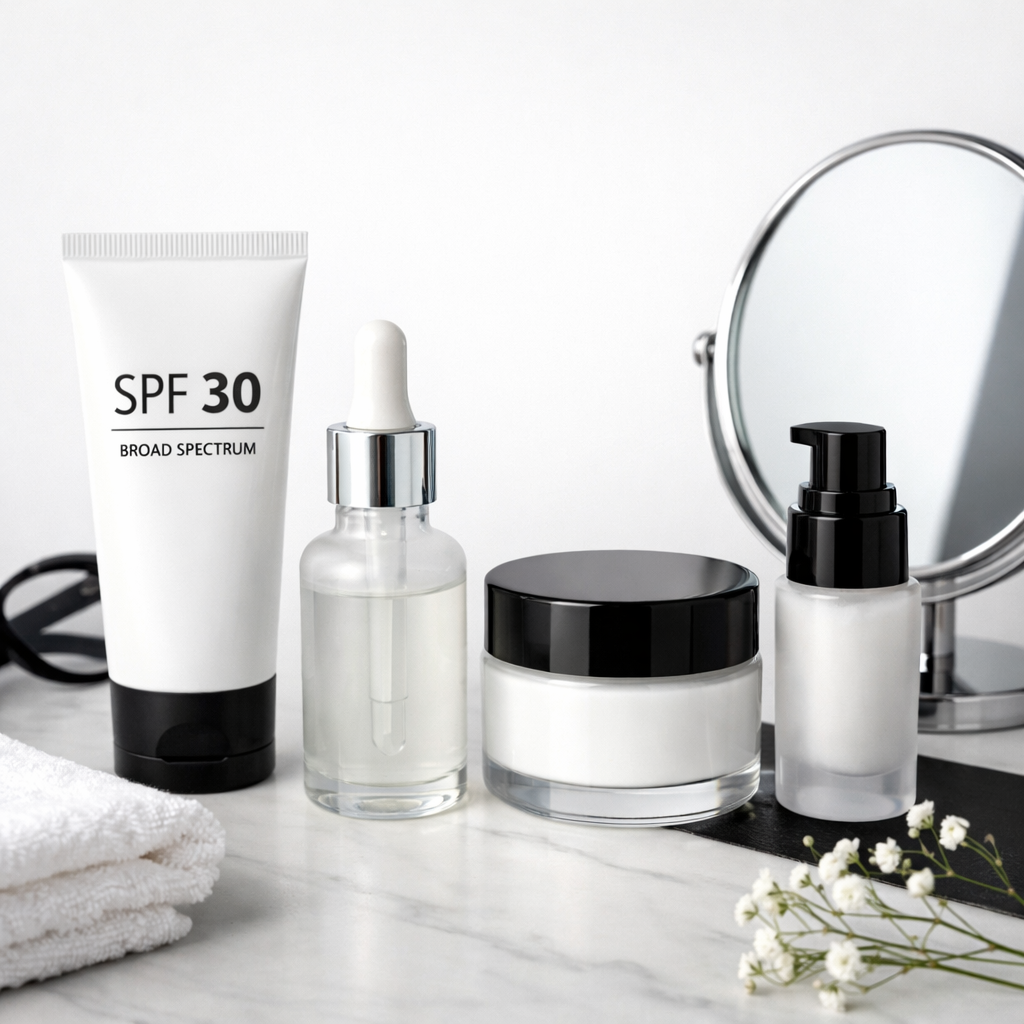
16 Expert-Backed Beauty Habits for Healthier, Brighter Skin in 2026
Beauty advice has never been easier to find, but genuinely trustworthy beauty advice is still surprisingly rare. In 2026, the skincare conversation is crowded with trends, product hype, and fast promises. Yet when you look at what dermatology authorities consistently recommend, the picture becomes much simpler: protect your skin barrier, use sunscreen daily, avoid unnecessary irritation, and stay consistent long enough to let good habits work. That same direction shows up across guidance from the American Academy of Dermatology, Mayo Clinic, NHS, and Cleveland Clinic.
For Zalyun Prime, that is exactly where strong beauty content should live: current, practical, expert-backed, and genuinely useful. Not louder. Better.
Why beauty content needs a smarter pattern in 2026
The strongest beauty articles in 2026 are not the ones that simply repeat trends. They are the ones that help readers make better decisions. Cleveland Clinic’s recent skincare trend coverage points toward simpler routines, barrier support, and ingredients like niacinamide that work well for many people without pushing the skin too hard. Mayo Clinic’s skincare guidance follows a similar logic, emphasizing gentle care, sun protection, and basic habits that support healthy-looking skin over time.
That matters for readers, and it also matters for search visibility. Content performs better when it solves a real problem clearly. In beauty, that means helping people build routines that are safer, simpler, and more effective.
1. Start with a gentle cleanser instead of an aggressive one
A cleanser should remove buildup without leaving your face feeling stripped. Mayo Clinic recommends gentle cleansing as part of basic healthy skincare, and AAD’s skincare guidance consistently favors routines that reduce irritation rather than trigger it.
Zalyun Prime takeaway: If your skin feels tight, dry, or uncomfortable after washing, your cleanser may be working against you.
2. Moisturize before dryness becomes obvious
AAD notes that dry skin can flake, itch, crack, and even bleed, and its dermatologist guidance favors regular moisturization to help relieve and heal dryness. Creams and ointments also tend to perform better than lighter textures when skin is very dry.
Zalyun Prime takeaway: Moisturizer works best as maintenance, not just rescue care.
3. Treat sunscreen as a beauty product, not just a summer product
AAD states that sunscreen is one of the best tools for slowing signs of skin aging and recommends choosing a product that is broad-spectrum, water-resistant, and SPF 30 or higher. It also advises using enough product, including about 1 teaspoon for the face.
Zalyun Prime takeaway: Daily SPF supports brightness, tone, and long-term skin quality, not just sun safety.
4. Stop over-exfoliating in the name of “glow”
When skin becomes irritated, the result is rarely a better complexion. Cleveland Clinic’s 2026 skincare guidance favors protecting and strengthening the barrier over pushing the skin with too many products or overly aggressive routines.
Zalyun Prime takeaway: If your skin is stinging, peeling, or reacting easily, fewer actives may improve your results faster than adding more.
5. Use niacinamide when you want brightness with less irritation
Cleveland Clinic says niacinamide can help calm inflammation, ease redness, soothe irritation, and support the skin barrier. Its recent beauty coverage also highlights niacinamide as a strong option for sensitive skin and barrier support.
Zalyun Prime takeaway: Niacinamide is one of the most practical ingredients for readers who want visible improvement without a harsh routine.
6. Treat retinol like a long-term investment
Mayo Clinic notes that retinoids and retinol can help smooth wrinkles and reduce discoloration, but irritation is common when starting. It also states that retinoids, including retinol, should not be used during pregnancy.
Zalyun Prime takeaway: Start slowly, pair it with moisturizer, and judge it over months, not days.
7. Choose fragrance-free over unscented
AAD clearly explains that “fragrance-free” and “unscented” are not the same thing. Unscented products may still contain ingredients that mask odor and can still irritate skin.
Zalyun Prime takeaway: For sensitive or reactive skin, label-reading matters more than marketing language.
8. Use proven acne ingredients before chasing trends
The NHS states that benzoyl peroxide is a common treatment for mild to moderate acne, while topical retinoids help prevent pores from becoming clogged.
Zalyun Prime takeaway: Build acne care around what is clinically established first, then refine from there.
9. If acne products are too irritating, switch strategy
The NHS also notes that azelaic acid is often used as an alternative when benzoyl peroxide or topical retinoids are especially irritating or painful.
Zalyun Prime takeaway: Skin that is burning or over-drying usually needs a smarter plan, not more willpower.
10. Take persistent redness seriously
AAD explains that facial redness can have multiple causes, including irritation from skincare and conditions such as rosacea. It also notes that rosacea-prone skin can sting or burn when exposed to certain products.
Zalyun Prime takeaway: Repeated redness is feedback. Listen to it early.
11. Barrier repair is one of the most underrated beauty habits
AAD’s rosacea guidance says that a gentle, non-irritating moisturizing cream can reduce dryness, peeling, and roughness, while Cleveland Clinic highlights barrier support as a major skincare priority.
Zalyun Prime takeaway: When skin feels overwhelmed, calming it down is often more effective than trying to “correct” it aggressively.
12. Dry skin usually needs richer texture, not more random products
AAD’s dry-skin guidance points readers toward more effective moisturization, and dermatologist advice on product selection often favors creams over thinner lotions when dryness is more noticeable.
Zalyun Prime takeaway: If your face still feels dry hours after moisturizing, upgrade the formula before expanding the routine.
13. Anti-aging beauty starts with sun habits
AAD says sunscreen can help prevent early skin aging and recommends daily protection as part of an anti-aging approach.
Zalyun Prime takeaway: A good sunscreen habit is one of the most credible beauty habits because it protects both how skin looks now and how it ages later.
14. A strong routine is usually a simple routine
Mayo Clinic’s skincare advice stays focused on basics: gentle cleansing, sun protection, and practical daily care. The message is not complexity. It is consistency.
Zalyun Prime takeaway: Cleanser, moisturizer, sunscreen, and one targeted treatment is enough for many people.
15. Sweat, rubbing, and friction can quietly damage results
AAD advises washing after sweating and avoiding rough scrubbing. It also notes that wiping sweat harshly can irritate the skin and contribute to breakouts.
Zalyun Prime takeaway: After workouts, be gentle. Beauty routines can be undone by friction as much as by bad products.
16. Know when to stop experimenting and get expert help
AAD recommends patch testing new skincare products and seeking professional evaluation when the cause of irritation is unclear or reactions continue. It also explains that formal patch testing by a dermatologist can identify allergens when needed.
Zalyun Prime takeaway: If your skin keeps reacting no matter what you remove or add, professional guidance can save both time and skin stress.
Conclusion: Better beauty advice is calmer, clearer, and more credible
The beauty lesson for 2026 is not that people need more products. It is that they need better decisions. The routines most likely to create healthier, brighter-looking skin are the ones built on gentle cleansing, consistent moisturization, daily sun protection, careful use of actives, and respect for the skin barrier. That is also the kind of beauty content that is most likely to perform well: relevant, expert-backed, practical, and trustworthy.
Zalyun Prime CTA
At Zalyun Prime, we believe beauty content should do more than sound polished. It should help readers make smarter choices with confidence. That means building articles around expert advice, authentic references, and practical steps that actually fit real life.
FAQ
What is the best daily beauty habit for healthier skin?
Daily sunscreen is one of the most consistently recommended habits because it helps prevent sun damage and early skin aging. AAD recommends broad-spectrum, water-resistant SPF 30 or higher.
Is niacinamide good for sensitive skin?
It can be. Cleveland Clinic notes that niacinamide may help calm inflammation, reduce redness, soothe irritation, and support the skin barrier.
Is a long skincare routine better than a short one?
Not necessarily. Mayo Clinic’s guidance favors strong basics over complexity, and recent dermatologist-backed trend coverage points toward simpler routines and barrier support.
What should I do if skincare products keep irritating my face?
AAD recommends stopping products that cause reactions, choosing fragrance-free options, patch testing new products, and seeing a dermatologist if irritation continues.